

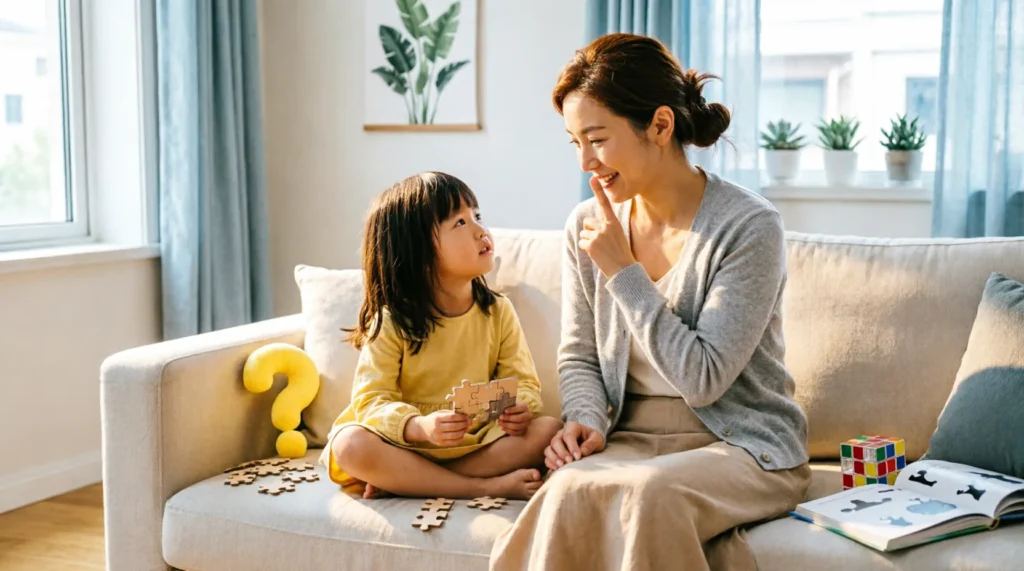
Riddles are a timeless way to spark conversation, challenge logic, and share a laugh. When the answer is “mom,” these puzzles become especially delightful because they tap into universal experiences of care, guidance, and family dynamics. This collection is designed for family game nights, classroom icebreakers, or anyone who loves a good mental workout with a heartwarming twist.
Top 5 Mom Riddles
These five riddles represent the cream of the crop—clever, engaging, and perfectly balanced between tricky and solvable. They are ideal for kicking off any riddle session.
I have no voice, yet I tell you what to do. I have no hands, yet I hold you when you’re blue. I am not a teacher, but I guide your way. Who am I, every single day?
Answer: Mom
I gave you life, but I am not alive in the way you think. I shaped your habits before you could even blink. I am your first home, your first love, your first friend. Who am I, until the very end?
Answer: Mom
I can be strict, I can be soft. I lift you up when you’re aloft. I know your secrets, I know your fears. I’ve wiped away your childhood tears.
Answer: Mom
I am not a book, but I contain your story. I am not a mirror, but I reflect your glory. I am not a clock, but I mark your time. Who am I, in rhythm and rhyme?
Answer: Mom
I cook your meals, I mend your clothes. I know where every lost sock goes. I am your anchor, your safe harbor too. Who am I, looking out for you?
Answer: Mom
Easy Mom Riddles
These riddles are perfect for younger children or those new to riddle-solving. They rely on straightforward associations and familiar roles.
- Who reads you bedtime stories and tucks you in tight?
Answer: Mom
- Who packs your lunch and kisses your cheek?
Answer: Mom
- Who helps you tie your shoes and teaches you to speak?
Answer: Mom
- Who knows exactly where your favorite toy is hidden?
Answer: Mom
- Who cheers the loudest at your school play?
Answer: Mom
- Who makes your soup when you have a cold?
Answer: Mom
- Who drives you to soccer practice in the rain?
Answer: Mom
- Who hugs you when you scrape your knee?
Answer: Mom
- Who helps you with your homework when it’s tough?
Answer: Mom
- Who smells like lavender and warm bread?
Answer: Mom
When I use these with early elementary students, they often guess “teacher” for number 7 or 9. It’s a great moment to discuss how mom’s role extends beyond the home into support systems that overlap with school.
Hard Mom Riddles
These require more abstract thinking. They move beyond literal descriptions of tasks and into metaphorical territory. Solving these feels like a genuine victory.
- I am the root from which your branch extends. I am the beginning that never truly ends. I am the echo of your first cry. Who am I, under the sky?
Answer: Mom
- I am not a law, but I set the rules. I am not a school, but I teach the tools. I am the compass in your moral map. Who am I, without a trap?
Answer: Mom
- I carry your history in my eyes. I see your future with surprise. I am the bridge between past and next. Who am I, by context vexed?
Answer: Mom
- I am the silence that understands. I am the strength in trembling hands. I am the sacrifice unseen. Who am I, in the routine?
Answer: Mom
- I am not a poet, but I write your days. I am not a painter, but I color your ways. I am the artist of your character. Who am I, your narrator?
Answer: Mom
- I am the calm in your stormy night. I am the beacon of your light. I am the reason you stand tall. Who am I, through it all?
Answer: Mom
The difficulty here lies in the abstraction. For example, riddle 4 often stumps adults because “sacrifice” is a heavy concept to associate quickly with a riddle answer. In my experience running pub quizzes, this is where teams start debating whether the answer could be “conscience” or “love” before landing on mom.
Funny Mom Riddles
Humor adds a layer of engagement. These riddles play on common stereotypes and relatable family moments. They are great for breaking the ice.
- Who can find anything in the house except her own keys?
Answer: Mom
- Who says “we’ll see” when she means “no”?
Answer: Mom
- Who knows the Wi-Fi password but pretends she doesn’t?
Answer: Mom
- Who can hear a whisper from three rooms away?
Answer: Mom
- Who insists you wear a jacket when it’s 60 degrees?
Answer: Mom
- Who takes 47 photos of you but only posts one?
Answer: Mom
- Who says “ask your father” when she already knows the answer?
Answer: Mom
- Who can turn a clean kitchen into a disaster zone while making a single sandwich?
Answer: Mom
- Who remembers your birthday but forgets why she walked into the room?
Answer: Mom
- Who says “I’m not angry, I’m just disappointed”?
Answer: Mom
These work well because they are instantly recognizable. The “jacket” riddle (number 5) is a classic. I’ve found that teenagers groan the loudest at this one, which is usually a sign of success in family bonding.
Tricky Mom Riddles
These riddles use wordplay and misdirection. They are designed to lead the solver down the wrong path before revealing the obvious answer. According to Wikipedia, riddles often rely on ambiguity and double meanings to create their effect.
- I have a lap but no legs. I have arms but no hands. I hold you close but I am not a chair. Who am I?
Answer: Mom
Note: People often guess “armchair” or “sofa” here. The trick is the emotional connection implied by “hold you close.”
- I give you milk but I am not a cow. I give you advice but I am not a book. Who am I?
Answer: Mom
- I am always right, even when I am wrong. Who am I?
Answer: Mom
Note: This is a playful nod to the classic family dynamic. It’s less about factual correctness and more about authority.
- I have a heart that beats for you, but I am not a doctor. I have a mind that worries for you, but I am not a guard. Who am I?
Answer: Mom
- I can be broken by a word, but mended by a hug. Who am I?
Answer: Mom’s heart
Note: Technically the answer is “Mom’s heart,” but in the context of “who,” it refers to Mom. This is a slight variation that tests flexibility.
- I am the only person who can call you by your full name and make you freeze. Who am I?
Answer: Mom
This specific type of riddle relies on cultural tropes. The “full name” riddle is universally understood across many cultures as a signal of serious trouble. It’s a fun way to acknowledge shared experiences.
Math and Logic Mom Riddles
These incorporate numbers or logical sequences. They are excellent for engaging analytical thinkers who might otherwise dismiss riddles as purely linguistic.
- If I am half your age plus ten, and you are 20, how old am I? (And who am I?)
Answer: 20 years old, Mom
Note: This assumes a 20-year age gap, which is common. It’s a simple algebra problem wrapped in a riddle.
- I have 2 eyes, 2 ears, 2 hands, and 2 feet. But I have 1 heart that loves you infinitely. Who am I?
Answer: Mom
- If you subtract my patience from my love, what remains? (Who am I?)
Answer: Mom (The answer is still Mom, implying her love is greater than her patience, or that they are inseparable.)
Note: This is more philosophical than mathematical, but it fits the logic category because it requires processing relationships between concepts.
- I am the sum of all your birthdays. I am the product of all your mistakes. Who am I?
Answer: Mom
- If I give you 5 dollars, and you give me 5 hugs, who has more value? (Who am I?)
Answer: Mom (Implies hugs are priceless, or that Mom values the connection.)
- I am the first number in your life story. Who am I?
Answer: Mom (As in, she is the origin point.)
These are less about strict calculation and more about using math terms as metaphors. They appeal to people who enjoy lateral thinking.
Animal-Themed Mom Riddles
Nature provides powerful analogies for motherhood. These riddles use animal behaviors to describe human maternal traits.
- I protect my cub with fierce delight. I teach them hunting in the night. I am a lioness, but also her. Who am I, near and far?
Answer: Mom
- I carry my young in a pouch so tight. I keep them safe from day to night. I am a kangaroo, but also she. Who am I, wild and free?
Answer: Mom
- I feed my chicks with gentle care. I build a nest with love to spare. I am a bird, but also her. Who am I, near and far?
Answer: Mom
- I swim with calves in ocean deep. I sing songs while they sleep. I am a whale, but also she. Who am I, wild and free?
Answer: Mom
- I teach my cubs to climb the tree. I watch them grow with pride in me. I am a bear, but also her. Who am I, near and far?
Answer: Mom
- I guard my eggs with steady gaze. I shield them from the sunny blaze. I am a penguin, but also she. Who am I, wild and free?
Answer: Mom
These riddles work well because they allow solvers to think about biology before connecting it back to human experience. The contrast between the animal kingdom and human family life creates a nice cognitive shift.
How to Use These Riddles
Riddles are versatile tools for social interaction. Here are some practical ways to integrate them into your daily life.
- Family Game Night: Use the “Easy” section for younger kids and the “Hard” section for adults. Keep score to add a competitive edge.
- Classroom Icebreakers: Start the day with one “Funny” riddle to get students laughing and engaged. It’s a low-stakes way to build community.
- Scavenger Hunts: Hide clues around the house or yard. Each clue can be a riddle from this list, leading to the next location. The final prize could be a card for Mom.
- Road Trips: Keep the boredom at bay by taking turns reading riddles aloud. The “Tricky” section is perfect for long stretches of highway.
- Birthday Cards: Write a “Hard” riddle inside a card for Mom. Let her solve it before opening the gift. It adds a personal, interactive touch.
According to Wikipedia, the concept of “tricky” often involves deception or cleverness, which is exactly what makes these riddles memorable. They aren’t just questions; they are small performances of wit.
Frequently Asked Questions
What is a good riddle for a Mother’s Day card?
Choose one from the “Easy” or “Funny” sections. Riddles like “Who can find anything in the house except her own keys?” are relatable and lighthearted. They show affection without being overly sentimental.
How do these riddles work?
They use association, metaphor, and wordplay. The solver must connect the clues (actions, traits, roles) to the central figure of “Mom.” The difficulty varies based on how abstract the clues are. Concrete clues (like “cooks meals”) are easier; abstract clues (like “root of your branch”) are harder.
Can these riddles be used for other family members?
Yes, but you would need to adjust the clues. For example, changing “Mom” to “Dad” would require swapping out references like “bedtime stories” for different stereotypical or actual roles. However, the structure of the riddle remains the same.
Why are riddles good for brain health?
Riddles stimulate critical thinking, pattern recognition, and language processing. They encourage flexible thinking and problem-solving skills. Regular engagement with puzzles like these can help keep the mind sharp and agile.

Nathan Smith is a seasoned puzzle enthusiast with over 18 years of experience in the field of recreational mathematics and logic puzzles. He holds a degree in Mathematics from the University of Chicago, which has significantly influenced his approach to puzzle creation and analysis. Nathan’s journey into brain teasers began during his college years, where he led the university’s puzzle club and organized annual puzzle hunts. At RiddleBarn, Nathan is dedicated to designing intricate logic puzzles and number riddles that challenge even the most seasoned solvers. His content often features a blend of mathematical insights and playful challenges, aiming to captivate readers who seek depth in their puzzling experiences. Nathan’s expertise lies in breaking down complex ideas into engaging and accessible formats.